Maybe you’ve been daydreaming about running your own cozy bed and breakfast (B&B), where you’re serving homemade coffee in the morning and chatting with travellers from across the country.
Exploring how to start a B&B can be a way to build a fulfilling lifestyle business and create income on your own terms. In 2025, interest in small, character-rich stays is strong.
Domestic travel is still strong , with more Canadians opting for authentic, small-scale getaways instead of big hotels. Many retirees, career changers, and families are finding that knowing how to start a B&B is the start of their new way of life.
Why Start or Buy a B&B in Canada?
Starting or buying a B&B can be just as much about making money as it is about creating a lifestyle that fits your values. Many Canadians who start a B&B describe it as a return to something simpler, yet more rewarding.
Here’s why the idea continues to inspire:
- You decide how many rooms to offer, when to open, and what kind of atmosphere you want.
- B&B owners often become local ambassadors who share insider tips and contribute to regional tourism.
- It’s a way to earn income without long commutes or office hours.
And if you’re considering buying an existing bed and breakfast, that can be an even faster route. You inherit the brand and its customer base.
Before You Start: What Makes a Successful B&B
Every thriving bed and breakfast shares one common ingredient: hospitality that feels personal. That’s the goal when you start a B&B in Canada. It’s mainly about how you make guests feel welcome, cared for, and remembered.
1. A Thoughtful Bed and Breakfast Business Plan
Even if your B&B is small, treat it like a true business from day one. A clear plan helps you:
- Understand your target market (e.g., families, couples, eco-tourists)
- Forecast expenses and revenue
- Set fair, competitive pricing
- Plan for seasonal shifts in occupancy
2. Location, Atmosphere, and Design
The best B&Bs have a sense of place. Whether it’s a mountain view or a quiet town filled with history, guests are drawn to properties that reflect their surroundings. Invest in thoughtful décor that reflects your region, and keep rooms spotless and comfortable, with a few local touches. And most of all, prioritize good sleep with high-quality mattresses, blackout curtains, and quiet spaces that go a long way to make guests feel at home.
3. Marketing That Feels Genuine
In 2025, online presence is everything, so keep your website and booking pages up to date. When uploading professional photos, natural light and authenticity matter more than filters.
However, going online also means you’ll have to respond warmly to reviews, even critical ones.
You’ll also need to claim and complete your Google Business Profile, build a simple-looking site with a secure engine, and keep email addresses (with consent) for repeat offers. Prioritize natural-light photos and room details guests actually look for, like bed size, blackout curtains, parking, and quiet hours.
Life as a B&B Owner: A Day in the Life
Owning a B&B in Canada is often described as a lifestyle, not just a job. Every day brings new faces, small challenges, and the quiet joy of creating memorable experiences for guests.
Here’s a peek into what your typical day might look like once your doors are open:
- Early mornings come with the territory. Many owners are up by 6 or 7 a.m., preparing a simple, hearty breakfast.
- Once guests check out, the practical side begins. You’ll freshen up rooms, restock supplies, handle online bookings and emails, and update listings or respond to reviews. Many owners block off a few hours each week for marketing, taking photos, posting on social media, or adjusting prices based on the season.
- By late afternoon, it’s time to greet new arrivals. When the lights go out and everyone’s settled in, there’s often a quiet sense of satisfaction knowing you’ve given someone a restful stay in a home that reflects the region and feels rooted in place.

Case Study: A Family’s Leap from City Life to B&B Success
Back in 2016, Nathalie and Martin wanted to work together and build a business they could call their own. They found property prices in Nova Scotia much lower than in Ontario and bought a business in Upper Clements Cottages & RV Park, a family-friendly retreat near the coast.
Marketing was the biggest challenge, so they focused on building a strong digital presence by improving their listings and strengthening ties with local tourism networks. About half of their guests eventually found them through community websites and regional tourism boards, helping them
Eight years later, they decided it was time to move on. Listing through BusinessesForSale.com, they found buyers within six months—another family ready to take over.
Their story shows what’s possible when care, research, and adaptability come together, proving that learning how to start a B&B can lead to a rewarding business.
Legal and Tax Essentials for Running a B&B in Canada
Understanding how to start a bed and breakfast in Canada means you’ll have to learn a few important legal and tax steps, but don’t worry, they’re manageable once you understand the basics.
Permits and Licenses Needed to Open a B&B in Canada
You’ll need to check with your local municipality for zoning and business permits. In most areas, you’ll also need:
- A business licence (even for home-based B&Bs)
- Fire and safety inspections
- Food handling certification if you serve meals
- Insurance coverage for property, liability, and business interruption is typically required
It’s worth speaking directly with your city or regional tourism office to make sure you meet local requirements.
GST/HST and Income Tax
If your total revenue exceeds $30,000 within 12 months, you’ll need to register for goods and services tax/harmonized sales tax (GST/HST). Once registered, you’ll charge tax on short-term stays (under one month) and may be eligible to claim Input Tax Credits (ITCs) for certain business expenses.
If your revenue stays below that threshold, you can still register, but it’s completely voluntary.
If you’re turning your home into a B&B, tax rules depend on how much of your home is used for guests. The Canada Revenue Agency (CRA) outlines these distinctions clearly , including when tax applies if you sell your home or stop operating.
Going Digital: Should You List on Airbnb or Go Independent?
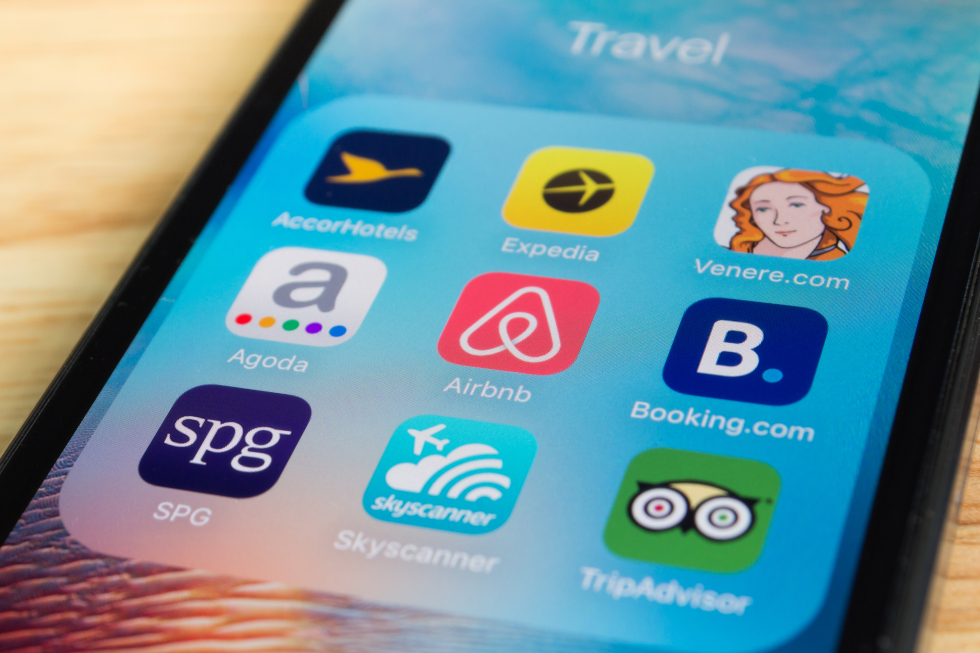
Your digital choices can shape how easily guests find you and how much control you have over your business. Airbnb Canada offers reach, payments, and reviews that many guests trust. Listing your B&B here means:
- Instant visibility to millions of travellers
- Built-in payment processing and customer reviews
- Access to short-term rental tools, like seasonal pricing and instant booking
Airbnb can simplify the early stages. It’s also a great way to test demand in your area before investing in your own website.
However, it charges fees, and its policies can change quickly. You’ll also have less control over branding and repeat guest relationships, which can affect how personal your B&B feels.
The Independent Route
Managing your own bookings lets you build a recognizable local brand and encourage direct repeat bookings, as there are no commission fees. Another upside is that you get to offer loyalty discounts and personalized packages.
Platforms like regional tourism boards are also great Airbnb alternatives in Canada. Some owners even combine strategies. They use Airbnb to fill empty dates while prioritizing direct reservations through their website.
Tip : Keep your tone, photography, and messaging consistent everywhere you appear online. Guests want to know who’s welcoming them before they arrive.
A Quick Note on Taxes
If you use Airbnb or similar platforms, remember that your income is taxable. You’ll need to report it and may need to charge GST/HST, depending on your annual revenue. For specifics, see the CRA’s page on Airbnb taxes in Canada and short-term rental rules.
Wrapping Up: The Real Numbers Behind Your B&B Dream
Starting a B&B in Canada is as much about lifestyle as it is about income. A small five-room B&B could gross around $90,000 to $100,000 annually at 50% occupancy, while larger, well-run properties can earn more. Profitability also depends on the location, pricing, your amenities, and how personally you craft the guest experience.
If you’re ready to explore real opportunities, browse current B&B listings in Canada or read our guides on buying small businesses to take your next step toward owning a place that truly feels like home.
FAQs
Is owning a B&B profitable?
It absolutely can be. While a B&B isn’t usually a “get rich quick” business, many owners earn a comfortable income, especially if their property is in a good location and well-marketed.
How many B&Bs are there in Canada?
Exact numbers vary, but there were thousands of registered B&Bs across the country in 2022. The sector remains strong thanks to growing interest in local travel and authentic experiences.
How much does a B&B owner make in Canada?
Income depends on location, occupancy rate, and size. Many small home-based B&Bs earn around $25,000 to $45,000 per year after expenses, while larger or year-round operations can bring in $60,000 to $120,000+. Some well-established ones in prime tourist spots exceed $150,000 annually.
Are B&Bs profitable long-term?
Yes, when managed with care and adaptability. B&Bs that balance good marketing and smart expense control tend to do well. The most successful ones also evolve with trends, whether that means embracing digital tools, offering eco-friendly stays, or connecting deeply with their local communities.