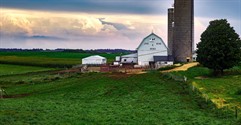
For some people, buying a farm is a business decision. For others, it’s the fulfilment of a long-held dream: leaving city life behind, spending more time outdoors and building something of their own in the countryside.
Whether you’re looking for a large grain operation on the Prairies, a cattle ranch in Alberta, a vineyard in British Columbia or a small lifestyle farm close to a growing community, Canada offers some of the world’s most productive agricultural land.
But buying a farm in 2026 requires more than a love of rural living. Rising land values, changing commodity markets, financing challenges and evolving regulations mean buyers need to balance that countryside dream with a healthy dose of pragmatism.
This guide explores the opportunities, challenges and key considerations involved in buying a farm in Canada today.
Why Buy a Farm in Canada in 2026?
Canada remains one of the world’s leading agricultural producers and exporters, with a reputation for high-quality food production, abundant natural resources and strong agricultural infrastructure. Demand for food continues to grow globally, while concerns around food security, sustainability and domestic production have increased the strategic importance of farming.
At the same time, many Canadians are rethinking where and how they want to live. The growth of remote and flexible working has encouraged some people to move away from major cities in search of more space, a stronger connection to nature and a better quality of life. For buyers who are prepared for the realities of farm ownership, agriculture can offer both commercial opportunities and a rewarding lifestyle.
Is Buying a Farm in Canada Profitable?
Profitability depends heavily on the type of farm, its location, market conditions and how effectively it is managed.
Commodity prices, fuel costs, labour expenses, interest rates and weather conditions can all influence financial performance. Some farm sectors require significant upfront investment but can generate strong long-term returns, while others offer lower barriers to entry but may have more modest profit potential.
The most successful farm owners typically approach farming as both a business and a long-term investment, balancing operational profitability with the underlying value of the land itself.
|
Farm Type |
Profit Potential |
Capital Required |
|
Grain Farming |
High |
Very High |
|
Dairy Farming |
Stable to High |
Extremely High |
|
Cattle Ranching |
Moderate |
High |
|
Orchards & Vineyards |
Moderate to High |
Medium to High |
|
Organic Farming |
Potentially High |
Medium |
|
Specialty Crops |
High |
Medium |
While there are profitable opportunities across Canadian agriculture, buyers should carefully assess the economics of any specific operation before making a purchase.
How Much Does It Cost to Buy a Farm in Canada?
Farm prices vary enormously across Canada. A small hobby farm or lifestyle property may be accessible to a wide range of buyers, while large commercial operations can require investments running into millions of dollars.
Location plays a major role in determining value. Land close to urban centres often commands a premium, while highly productive agricultural regions can attract strong competition from established operators looking to expand.
When evaluating a farm, buyers should look beyond the headline acreage. Soil quality, water availability, infrastructure, existing buildings, equipment, productivity and future development potential can all have a significant impact on value.
Tip: To compare asking prices, you can browse farms for sale in Canada today.
Best Places to Buy a Farm in Canada
The best location depends largely on your goals and preferred style of farming.
Saskatchewan and Manitoba remain popular destinations for buyers interested in large-scale grain production, thanks to their extensive agricultural land and strong farming traditions. Alberta offers opportunities across both crop production and cattle ranching, supported by excellent agricultural infrastructure and access to major markets.
Ontario is home to one of Canada’s most diverse agricultural sectors and benefits from proximity to large consumer markets, although farmland prices can be considerably higher. British Columbia appeals to buyers interested in vineyards, orchards and smaller lifestyle-focused operations, particularly in regions such as the Okanagan Valley.
Rather than searching for the “best” province, prospective buyers should focus on finding the region that best matches their budget, experience and long-term objectives.
Can Foreigners Buy Farmland in Canada?
Foreign buyers can purchase farmland in parts of Canada, but ownership rules vary considerably between provinces.
Some provinces place restrictions on the amount of agricultural land that can be owned by non-residents or foreign-controlled entities, while others have more flexible rules. Because these regulations can change and often contain important exceptions, buyers should seek professional legal advice before proceeding with a purchase.
Prospective buyers who intend to relocate permanently should also remember that purchasing a farm does not automatically grant the right to live or work in Canada. Anyone planning to move to the country should investigate the latest immigration and residency requirements alongside any property purchase.
Training and Resources for New Farmers
Farming is a highly specialised industry, and even buyers acquiring an established operation can benefit from additional training and support.
Organisations such as Farm Credit Canada, Farm Management Canada and provincial farming associations offer educational resources covering everything from financial planning and risk management to succession planning and new technologies. Mentorship programmes and industry networks can also provide valuable guidance for first-time farm owners navigating the realities of running an agricultural business.
As technology continues to transform agriculture, ongoing learning is becoming increasingly important for maintaining productivity and competitiveness.
Financing a Farm Purchase in 2026
Financing remains one of the biggest challenges facing new farm buyers.
Farm Credit Canada continues to be one of the country’s most significant agricultural lenders, while commercial banks, credit unions and specialist lenders also provide financing for farm acquisitions. Buyers taking over established family operations may encounter succession-transfer opportunities that reduce upfront costs, while various provincial initiatives are designed to encourage new entrants into agriculture.
Given the high value of farmland in many regions, buyers should explore financing options early and seek professional advice on tax planning, ownership structures and long-term affordability before committing to a purchase.
Due Diligence Before Buying a Farm
Before purchasing a farm, it’s essential to look beyond the land itself. Buyers should assess soil quality, drainage, water access, zoning restrictions and any environmental obligations that could affect future operations. Existing buildings, equipment, fencing, storage facilities and infrastructure should also be carefully evaluated.
Financial due diligence is equally important. Reviewing historic performance, operating costs, labour requirements and relationships with suppliers, customers and processors can help provide a clearer picture of the farm’s long-term viability. As with any business acquisition, thorough due diligence can help identify risks early and prevent costly surprises later.
Buying a Farm as a Lifestyle Change
For many buyers, the appeal of farming extends beyond financial considerations.
Owning a farm can offer a different pace of life, greater independence and a stronger connection to the land. Rural communities often provide a sense of space and community that can be difficult to find in larger cities, while the opportunity to build a family business continues to attract buyers from a wide range of backgrounds.
However, prospective buyers should approach farming with realistic expectations. Farm ownership can be physically demanding, financially challenging and heavily influenced by factors outside an owner’s control. Those who combine a passion for rural living with a sound business strategy are often best positioned for long-term success.
Ready to Buy a Farm in Canada?
Whether you’re looking for a commercial agricultural operation, a family-run farm or a rural lifestyle business, taking the time to understand the market and perform thorough due diligence can help you make a more informed investment.
Browse Canadian farms for sale to explore current opportunities and take the first step towards farm ownership.
Frequently Asked Questions
Is buying a farm in Canada a good investment?
It can be. Many buyers view farmland as both an income-generating asset and a long-term investment, although returns vary depending on the farm type, location and market conditions.
Which province has the cheapest farmland?
Land values vary significantly across Canada. Prairie provinces often offer more affordable land on a per-acre basis than provinces with high population density, although local conditions can differ substantially.
What is the most profitable type of farm?
There is no single answer. Profitability depends on factors including market demand, production costs, management expertise and scale.
Can foreigners buy farms in Canada?
In some provinces, yes. However, ownership rules vary and buyers should seek legal advice before purchasing agricultural land.
How much land do you need to make a living farming?
The answer depends on the type of farming operation. Some intensive specialty farms can be successful on relatively small acreages, while grain or livestock operations may require significantly more land.
Is farming still profitable in 2026?
Many Canadian farms remain profitable, but success depends on effective management, financial planning and adapting to changing market conditions.